
Is Laptop on Rent Safe? Everything Customers Want to Know
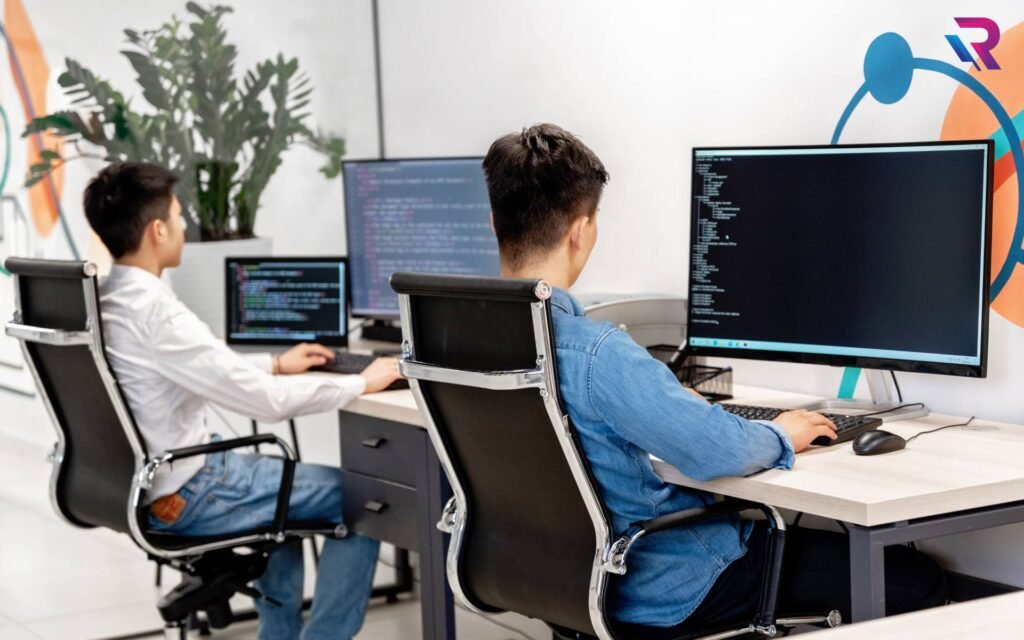
Laptop rentals have become increasingly popular among students, professionals, businesses, and event organizers. With flexible plans and cost-effective pricing, renting a laptop offers convenience without the need for long-term investment. However, many customers still hesitate before choosing a laptop on rent due to concerns about data security, device condition, privacy, and hidden risks. These questions are valid, especially when sensitive personal or business information is involved.
This guide answers every major concern customers have about laptop rentals. From security and data protection to hardware reliability and rental policies, understanding how laptop rental services operate can help you make a confident and informed decision.
Why More People Are Choosing Laptop Rentals
The demand for laptops on rent has grown due to changing work patterns and short-term technology needs. Students need laptops for online exams and projects, companies require bulk devices for onboarding or training, and professionals often need temporary access to high-performance machines. Renting provides flexibility while reducing financial pressure.
Modern laptop rental services are designed to meet professional standards. Reputed providers invest in device quality, maintenance, and security protocols to ensure customer satisfaction. As the industry matures, safety concerns are addressed through structured processes and transparent policies.
Data Security on Rented Laptops
One of the biggest concerns customers have is data security. Users often worry about whether previous data exists on a rented laptop or if their own data might be accessed later. Reputable rental companies follow strict data sanitization procedures before delivering any device. Laptops are completely formatted, operating systems are freshly installed, and storage is wiped using secure methods.
During the rental period, customers have full control over their data. Most providers encourage users to create personal login credentials and enable system-level security features. At the end of the rental period, devices are again wiped to ensure no personal or corporate data remains. This process ensures complete privacy for both current and future users.
Privacy Concerns and User Control
Customers often worry about monitoring or unauthorized access while using a rented laptop. Trusted rental providers do not install surveillance software or access customer data. Users operate the laptop just as they would with a personal device.
For corporate clients, rental providers can configure additional security features such as restricted user access or encrypted storage. These measures provide complete control over sensitive information and align with professional IT security standards.
Physical Condition and Performance Reliability
Another common concern is whether rented laptops are reliable and well-maintained. Professional rental services maintain strict quality checks before delivering devices. Laptops undergo hardware testing, performance optimization, and cosmetic inspection to ensure they meet usage standards.
Rental laptops are regularly serviced, and faulty components are replaced promptly. In case of performance issues during the rental period, providers offer immediate support or replacement. This level of reliability often surpasses personal devices that lack regular maintenance.
Safety of Using Rental Laptops for Exams and Work
Students and professionals frequently use rented laptops for online exams, interviews, and remote work. Rental laptops are safe for these purposes as long as they are sourced from a reliable provider. Devices are configured to support exam software, video conferencing tools, and productivity applications.
Rental providers often test devices with commonly used platforms to ensure compatibility. This minimizes the risk of technical issues during critical activities such as examinations or interviews.
Understanding Rental Agreements and Policies
Safety is not limited to hardware and data. Customers should also understand rental agreements to avoid misunderstandings. Transparent rental services clearly outline terms related to usage, damage, extension, and return conditions.
Rental agreements typically specify customer responsibilities, such as reasonable care of the device. Accidental damage policies and optional protection plans further reduce customer risk. Reading and understanding these terms helps ensure a smooth rental experience.
Protection Against Hidden Costs
Some customers worry about unexpected charges when renting laptops. Trusted rental providers maintain transparent pricing structures. All costs, including rental fees, security deposits, and extension charges, are communicated upfront.
Clear billing practices and written agreements protect customers from hidden costs. Reputable services prioritize long-term trust over short-term gains.
Technical Support and Assistance
Safety also includes the availability of technical support. Rental providers offer assistance in case of software issues, hardware malfunctions, or configuration problems. This support ensures uninterrupted usage and peace of mind.
Quick response times and replacement options are particularly important for professionals and students with time-sensitive tasks. Rental services that prioritize support enhance overall safety and reliability.
Device Hygiene and Health Safety
In recent years, hygiene has become an important consideration. Rental providers clean and sanitize devices before delivery to ensure they are safe for use. This process includes cleaning keyboards, touchpads, and screens with appropriate solutions.
Customers receive devices that are hygienic and ready for immediate use, eliminating health-related concerns.
Safe Usage for Corporate and Business Needs
Businesses often hesitate to rent laptops due to concerns about intellectual property and confidential information. Professional rental services address this by offering enterprise-grade security configurations. Companies can request custom setups, including restricted software installations and controlled access.
After the rental period, devices are securely wiped, ensuring no data leakage. This makes laptop rentals a safe option for corporate environments.
How to Choose a Safe Laptop Rental Provider
Safety largely depends on the rental provider you choose. A trustworthy company maintains clear policies, offers responsive support, and prioritizes data protection. Experience, customer reviews, and transparent communication are indicators of reliability.
Customers should choose providers that specialize in laptop rentals and have a proven track record of serving businesses, students, and professionals.
Long-Term Safety and Trust
As laptop rentals become more common, service providers continue to enhance safety standards. Improved data wiping technologies, better hardware maintenance, and stronger customer support contribute to a secure rental experience.
Customers who rent laptops repeatedly often find the process as safe and convenient as using their own devices, especially when working with reputable companies.
Conclusion
Renting a laptop is safe when done through a trusted and professional rental service. Modern laptop rental companies implement strict data security protocols, maintain device quality, and offer transparent policies to protect customers. From students and freelancers to enterprises and event organizers, laptop rentals provide a secure, flexible, and cost-effective solution for temporary technology needs.

